Skip to content
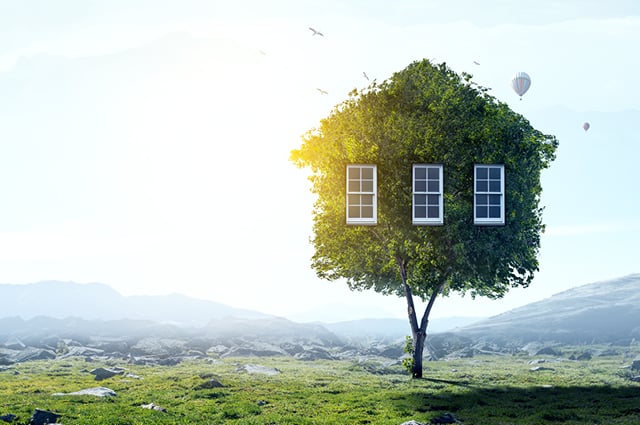
As we approach 2026, sustainability is no longer a niche concept—it’s a mainstream priority influencing everything from consumer choices to financial products. One such innovation gaining traction is the green mortgage designed to reward homeowners for energy-efficient properties or eco-friendly upgrades. But is this trend a smart financial move or just a marketing gimmick? Let’s explore the advantages and disadvantages of green mortgages, along with what the future holds.
What Is a Green Mortgage?
A green Mortgage—also called an Energy-Efficient Mortgage (EEM)—offers borrowers incentives such as lower interest rates, cashback, or higher borrowing limits if they purchase or retrofit a home to meet energy-efficiency standards. These standards often include certifications like LEED, ENERGY STAR, or a high Energy Performance
Certificate (EPC) rating. Some lenders even allow financing for upgrades like solar panels, insulation, or heat pumps rolled into the mortgage itself.
Advantages of Green Mortgages
1. Lower Interest Rates and Incentives
Many lenders offer reduced rates or cashback for qualifying homes, making monthly payments more affordable compared to standard mortgages.
2. Reduced Utility Bills
Energy-efficient homes consume less electricity, gas, and water, translating into long-term savings that can offset initial costs.
3. Higher Borrowing Capacity
Because lenders factor in projected energy savings, borrowers may qualify for larger loan amounts, making eco-friendly homes more accessible.
4. Boosted Property Value
Homes with strong energy ratings often command higher resale prices and sell faster, appealing to eco-conscious buyers.
5. Environmental Impact
Choosing a green mortgage aligns with global sustainability goals, reducing carbon emissions and promoting responsible homeownership.
Disadvantages of Green Mortgages
1. Higher Upfront Costs
Energy-efficient homes and retrofits—like solar panels or advanced insulation—can be expensive, sometimes outweighing savings from lower rates.
2. Limited Availability and Eligibility
Not all lenders offer green mortgages, and qualifying often requires strict energy certifications or proof of upgrades within tight timelines.
3. Complex Appraisal and Approval Process
Specialized energy assessments add cost and complexity, potentially delaying closing.
4. Potentially Higher Rates Than Expected
While marketed as cheaper, some green mortgage deals can still carry higher rates than traditional loans, especially for borrowers with weaker credit.
Looking Ahead to 2026: Trends and Market Outlook
Growing Lender Participation: Banks are increasingly tying sustainability to ESG goals, making green mortgages a key offering. Expect more competitive products and perks like tree-planting initiatives or carbon-offset programs.
Government Incentives: Tax credits and rebates for energy-efficient upgrades may expand, further sweetening the deal for homeowners.
Interest Rate Environment: Forecasts suggest mortgage rates will hover around 6% in 2026, with slight downward trends later in the year. While not dramatic, this stability could make green mortgages more appealing for long-term savings.
Technology and Retrofits: Falling costs for solar panels, heat pumps, and smart home systems will reduce barriers to entry, making green mortgages more practical for average buyers.
Final Thoughts
Green mortgages represent a compelling intersection of financial prudence and environmental responsibility, but they’re not a one-size-fits-all solution. For homeowners planning to stay long-term and willing to invest in energy efficiency, these loans can deliver meaningful savings and sustainability benefits. However, for those with tight budgets or short-term plans, the upfront costs and eligibility hurdles may outweigh the perks.
Bottom line: Do the math. Compare deals, check EPC ratings, and factor in upgrade costs before committing. In 2026, green mortgages will likely become more mainstream—but whether they’re right for you depends on your financial goals and eco-conscious priorities.